
- Details
- By Courtney Johnston
- Category: Careers for Globetrotters
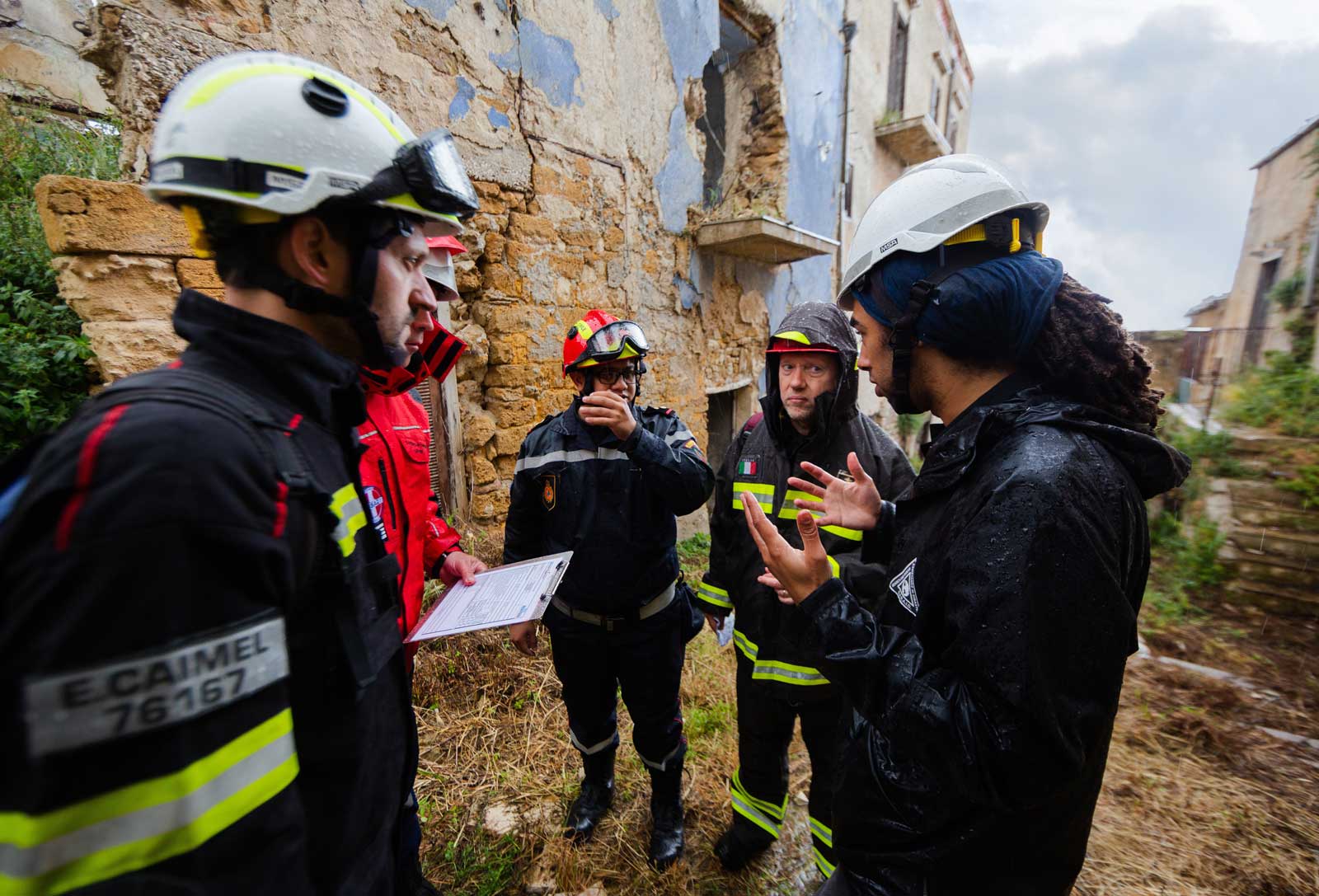
For people who crave both purpose and possibility, this career promises the chance to travel, grow, and make a real difference.
International Careers in Environmental Engineering
- For people who crave both purpose and possibility, this career promises the chance to travel, grow, and make a real difference.
- Details
- By Trina Moyles
- Category: Careers for Globetrotters
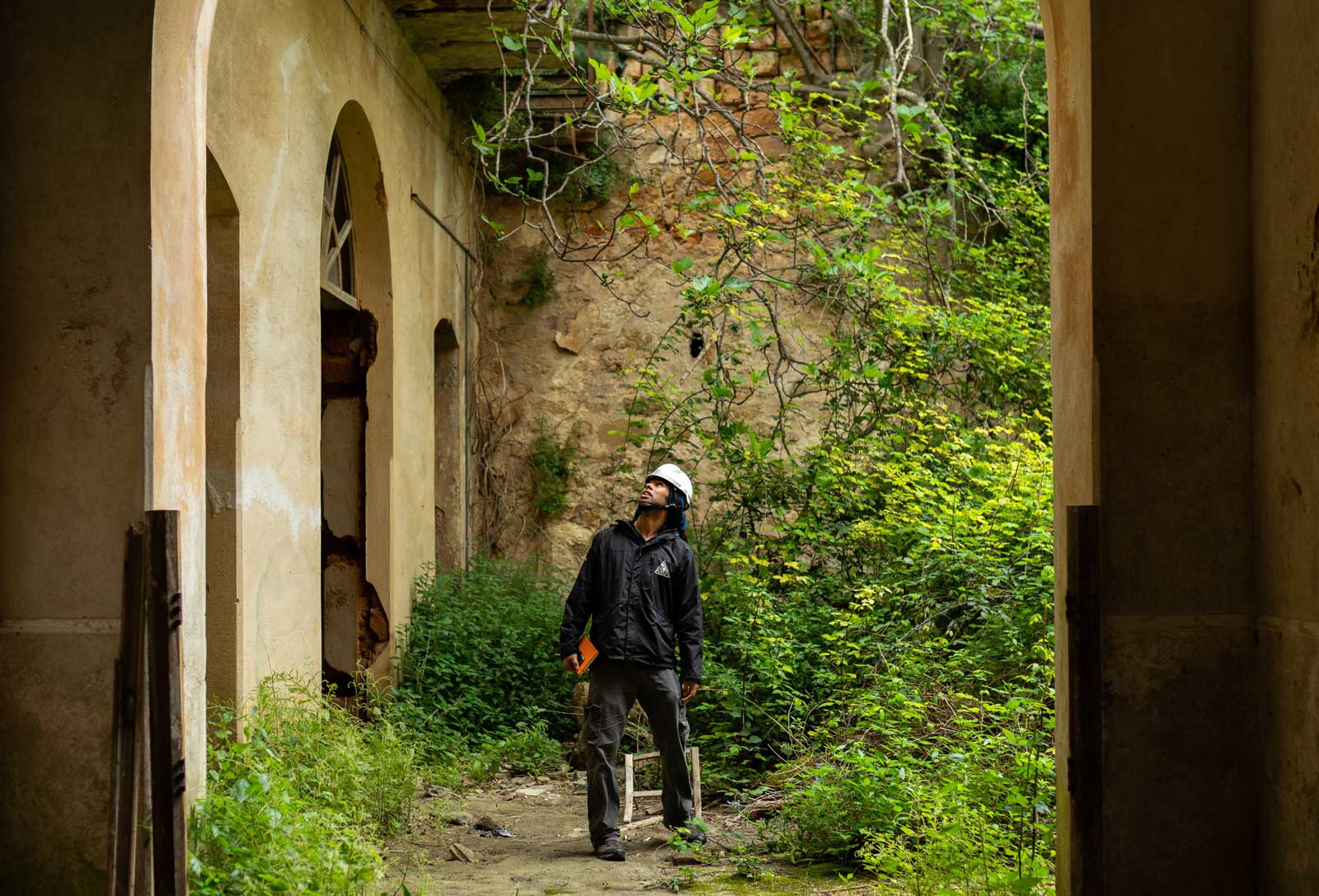
These professionals operate at the intersection of science, infrastructure, and human well-being, tackling everything from access to clean water to renewable energy to air quality monitoring and disease prevention.
- Working Internationally in Environmental Health & Engineering
- These professionals operate at the intersection of science, infrastructure, and human well-being, tackling everything from access to clean water to renewable energy to air quality monitoring and disease prevention.
- Details
- By Trina Moyles
- Category: Careers for Globetrotters
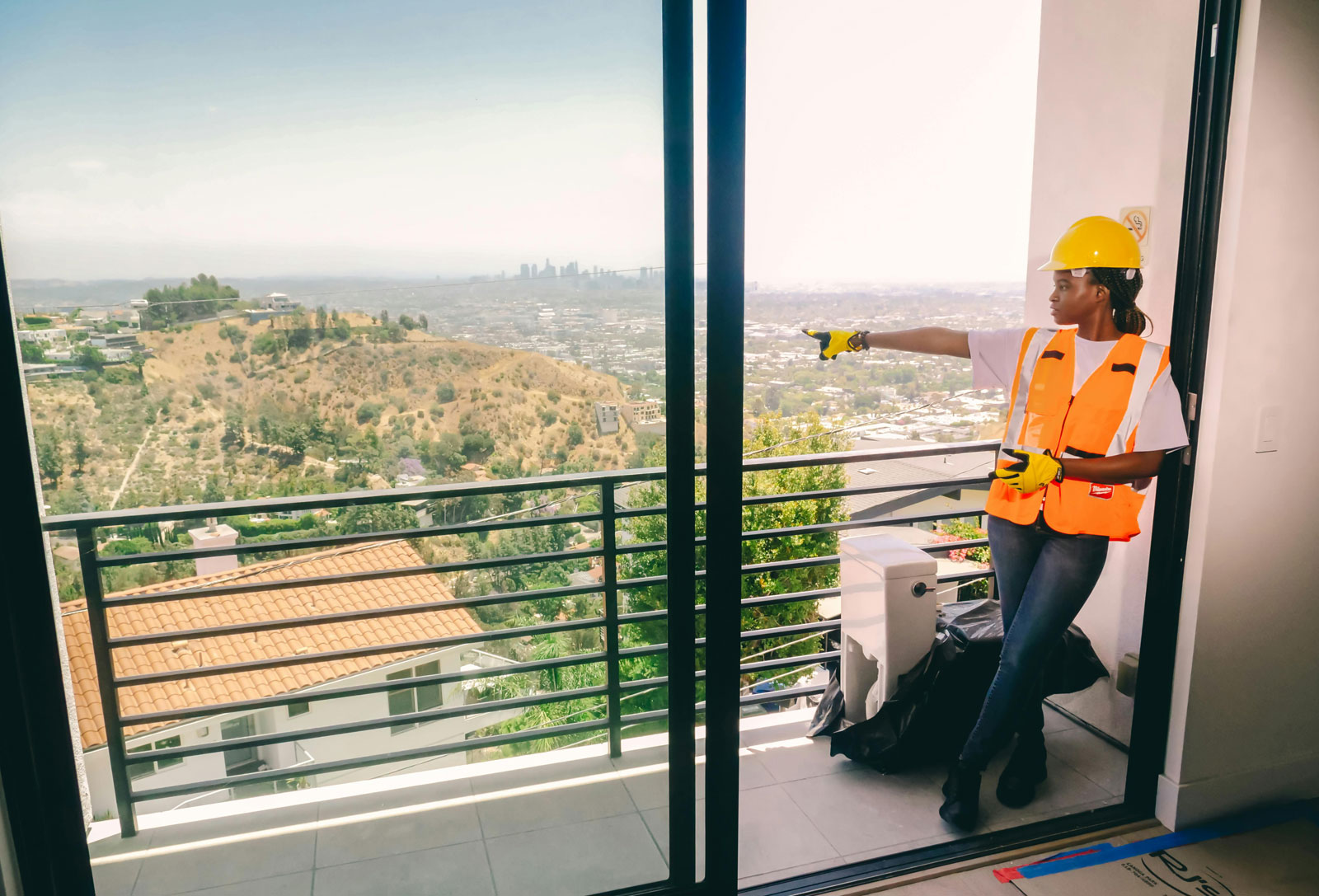
A growing number of post-secondary students are looking beyond traditional classrooms to programs that blend environmental health and engineering with international experience.
- Studying Environmental Health and Engineering Across Borders
- A growing number of post-secondary students are looking beyond traditional classrooms to programs that blend environmental health and engineering with international experience.

- Details
- By Trina Moyles
- Category: Careers for Globetrotters
Across Canada, Europe and Asia, post-secondary programs are transforming travel lovers into global professionals: training students to see the world and to interpret, guide, and market it.
Passport to Possibility
Across Canada, Europe and Asia, post-secondary programs are transforming travel lovers into global professionals: training students to see the world and to interpret, guide, and market it.
- Details
- By Courtney Johnston
- Category: Careers for Globetrotters
Careers in tourism rarely follow a straight line. For students interested in tour leading or destination marketing, the journey into the industry is as dynamic as the work itself.
Building a Career in the Tourism Sector
- Careers in tourism rarely follow a straight line. For students interested in tour leading or destination marketing, the journey into the industry is as dynamic as the work itself.
- Details
- By Courtney Johnston
- Category: Careers for Globetrotters
Tour leading is one of the most visible roles in the tourism industry, yet it’s often misunderstood. Destination marketers shape the desire to travel in the first place.
Tour Leading & Destination Marketing
Tour leading is one of the most visible roles in the tourism industry, yet it’s often misunderstood. Destination marketers shape the desire to travel in the first place.
- Details
- By Suneet Grewal
- Category: Careers for Globetrotters
Natasha Sim, an engineer and environmental health expert with the International Rescue Committee, has kindly agreed to be profiled in our Careers for Globetrotters series.
Natasha has lived internationally her entire life, thanks to travelling parents who moved to Kyrgyzstan when she was 7 years old. Fluent in both Russian and English, she's worked with various international companies and NGOs, in all facets of environmental engineering. In this interview, she tells us about the importance of culture in the world of sanitation, what it means to be Canadian when you've lived abroad your whole life, and her best tips when it comes to getting your foot in the door at MSF--or any other NGO.
Read the interview below. You can also watch her series of videos here.
Who are you, what was your most recent position, and what did it entail?
Hi, my name is Natasha. I'm originally from Canada, but I have lived overseas since I was seven, so my family has moved around a lot. Currently, I'm based in Athens, Greece, as the Water and Sanitation Coordinator for the International Rescue Committee, an American NGO that helps resettle and provide emergency support to refugees around the world and in the United States. In Greece, we're working in nine different refugee camps, and my responsibility is to implement the water and sanitation programs at those sites. So, it includes a lot of coordination. We have quite a large team. We're constantly expanding and adapting to different changes in the context, and changes in legislation in the European Union, as well as global factors that are out of our control. So it's busy, intense, very exciting, and very interesting. I am here for a year, and hopefully after this, I'll get a bit of a break.
How did you get to where you are now? Tell us about your career trajectory.
I was born in Canada. I come from a mixed family, so my dad's side of the family is Chinese. My mom's side of the family is Irish, but everybody is Canadian, and they've always liked to travel and had this dream of working abroad. Initially, they decided to wait until my sister and I were old enough to remember what our home base was. But then they wanted to move abroad for a short amount of time. My dad is an accountant, and he got a job in Kyrgyzstan. So we moved to Kyrgyzstan when I was seven. I was put into a Russian school because there weren't any international schools there at the time. They loved living in Kyrgyzstan, so what was supposed to be a two-year adventure turned into four years, then five, then six.
We lived in Kyrgyzstan for six years, at which point my parents decided that we should probably start getting a little bit more of an American-style education. So, we moved to Bangladesh, where I started high school at an American International School, and then to Egypt, where I finished high school at another American International School. Although I had, as a child, always wanted to go back to Canada and sort of become more normal, when applying to university, I decided not to do that!
So, I actually studied in the UK. I did my undergraduate, and then directly after that, I did my Master's. That was purely because the UK's educational system is much faster than in North America. I did a civil engineering degree in three years for my Bachelor's, and wasn't ready to start into the working world just yet, so I decided to do my Master's. I did my Master's in Environmental Engineering, which gave me exposure to both European-based environmental engineering topics and international topics, such as environmental health, tropical diseases, and environmental issues in developing countries. Since I'd always travelled a lot, I lived overseas a lot, and that was sort of the stuff that resonated more with me than others.
I did my Master's thesis research back in Kyrgyzstan with UN-Habitat—actually, they funded it—and it was investigating the solid waste management system in the city of Bishkek. UN-Habitat was, at the time, trying to create a global profile of different solid waste management systems around the world. Because I spoke Russian and was vaguely familiar with the country, I was able to get that thesis topic, and while I was there, I definitely met a lot of people. Solid waste management isn't exactly the most glamorous topic to study, so there aren't actually that many people in it. So, I very quickly became the expert in solid waste management in Kyrgyzstan, which enabled me to first meet a lot of different people in that sector, as well as transfer some of those skills to a job later on.
So how did your Master's research lead to paid work?
I started looking while I was in Kyrgyzstan. I started asking around at different companies operating there and made a connection with a very small management consultancy based in the UK that implements most of its projects in Central Asia. So, when I got back to the UK, and after I graduated, I contacted this company, saying that I had just recently done my thesis on this topic in Kyrgyzstan, and asked if they had any available positions. The guy immediately contacted me, and as I said, they're very, very small, so they have about eight full-time employees. They were interested and happy to send me back to Kyrgyzstan to continue working with a water company project that they had ongoing. It was a project with the EBRD, which is the European Bank for Reconstruction and Development. They are one of the big donor banks in that part of the world, and the consultancy had a project with them, and they were looking for an environmental expert to continue implementing it.
I think, at that stage, it really helped to be very flexible, very willing to move at the drop of a pin. And again, it was familiar to me, so it wasn't actually scary. While I was doing my Master's thesis, I happened to meet a lot of very cool people my age who were doing a lot of very interesting things. So, it was inspiring to be around them as well. Actually, the girl I lived with in Kyrgyzstan at the time was my roommate in Istanbul, and we've sort of kept following each other around, so we're definitely long-term friends.
So, I moved back to Kyrgyzstan, spent two years there, and as I worked with this company, they started assigning me to other projects. There were also donor-funded projects in the municipal sector throughout the region—I worked in Kazakhstan, Kyrgyzstan, Uzbekistan, Tajikistan, and the Ukraine with them. Environmental engineering is a very adaptable career, I think. That was helpful, because any donor-funded project often requires an environmental component or environmental expert. So I didn't have to just work on solid waste management projects or water projects. I was also able to work on power station construction projects, and road construction transport projects, because the environmental component is actually very similar in all those different sectors.
It gave me great exposure to all different sorts of sectors and all different sorts of municipalities, and travel. A lot of the locations that I worked at were very remote. One of the challenges is that I ended up working with a lot of older men, because most consultants have a lot of experience and have established careers, whereas I was very new and very young, and there aren't a lot of females in engineering and in consulting, it seems like, in that part of the world. So that was always an adjustment.
A lot of what you mentioned was in Central Asia, but you've worked in many other countries. How did those opportunities come about?
I moved to Istanbul in the middle of all of that, because I was tired of being based in Central Asia. I was worried that you can get sucked into a region, and become the expert in that region, and then it's harder to move around. So, I wanted to start moving away from that to somewhere that would give me other experiences. At the time, it was also easier to be based in Istanbul, an international hub with frequent flights to remote countries and places around the world, rather than in Central Asia. So it was actually faster for me to get places, being based in Istanbul. So I moved to Istanbul, continued doing that consulting, and started investigating other possibilities to get me out of Central Asia.
I decided to join MSF, which is Doctors Without Borders, an organization I'd always sort of wanted to work with. It seemed very exciting, very hands-on, very useful and very rewarding—and it was all of those things. With my work experience and the fact that I had already worked abroad, they took me on as a water and sanitation engineer. With MSF, you get on their roster, and they propose different projects that they think you'll match up with. So, about a month after having been accepted onto the roster, they offered me a project: a two-month placement in Sierra Leone as a water and sanitation engineer at their Ebola Management Center. It was an incredible experience because everything had already been set up, so I was going into a system where I was being trained to operate it, and the team was very experienced. Also, I joined the Ebola crisis towards the tail end, so we weren't seeing tons and tons and tons of patients. It was a great opportunity to see how ideally it would work, without being exposed to some of the more severe stressors in that context.
So, I was there for two months, and then after that, you had a quarantine period back in either in your home country or back in Amsterdam. I went back to Amsterdam, since that's where their main office was. During the quarantine period, I was looking for other stuff, and they offered me a position in Syria, which I was debating. While I was debating all of this, the Nepal earthquake happened, and so I got a call from a friend, actually a friend from university, who happened to be in Nepal, who told me that I should get over there to see what was going on. He put me in contact with a few people he knew who were working on the response. I joined CARE, an international NGO focused on development and emergency response, and was hired as a team leader in Nepal for its emergency response in one of the most severely affected districts. That was a huge stepping stone. It was very scary, because I felt like I didn't know what I was doing. But it was great. It was fantastic, because you were put to these incredible challenges with an amazing team, and doing anything was doing something. So, everybody was working crazy hours. There were 15 of us living in this tiny, tiny little house, and we worked from the moment we got up until one or two in the morning, and our beds were our desks, and it was very chaotic but super fun. So, that was a great learning experience and very exciting.
Following that, I decided I wanted a bit more stability, so I joined the IRC (International Rescue Committee) and came to Greece. At the time that I joined, I thought: "Okay, this is great. I'm going to be on Lesbos for a whole year, and I'm going to be able to establish a team for the whole year and not move around as much." Well, that turned out not to be entirely true, because the crisis was changing... so, I ended up living in seven different accommodations while I was there. Greece is a crazy context. It has over 50 refugee camps, all very spread out geographically, so we are running around a lot, and it's not exactly the stability I had initially thought it might be, but it's been great.
What's an average week like in your current role as Water and Sanitation Coordinator, working at refugee camps in Greece?
A typical week in Greece as the water and sanitation coordinator involves a lot of travel, a lot of last-minute decisions, changes, and reactions to different factors that are going on.
I'm responsible for three different geographical locations: Lesbos, which is an island near Turkey; Athens, which is the capital; and also Thessaloniki, which is up in the north of Greece, although I do have somebody who is taking care of all of the north, so I don't focus as much there as I used to. I manage a team across our water and sanitation program; we have over 90 staff, so it's a lot of people management. We're also holding a lot of strategy meetings with our senior management team.
My days involve a lot of email checking, honestly, and responding to other stakeholders and other organizations that are also operating in this context, and reacting to changes from the government, changes from our own strategies, and changes from others. So, I spend some of my day in the office doing that sort of thing, a lot of time in different strategy meetings and discussions, and some time training some of our staff on different international principles. Our staff in Greece are extremely well-educated; even people in lower-level positions have Master's and PhDs and are way more qualified than I am. So, it's a very fun group to work with. But, a lot of them haven't been exposed to international NGOs, emergency contacts or refugee camps. So, I'm trying to build capacity on that front.
It involves a lot of visiting different sites, so I'm constantly going to and checking on the ongoing construction sites we have. We also do a lot of hygiene promotion, which is the soft component of water and sanitation, and it often involves distributing various hygiene products—soap, toothbrushes, that sort of thing—as well as training sessions, discussion groups, and water committees at the different refugee sites.
So, I try to spend about half my time in the field, as we call it, or at the different refugee camps, and the other half in the office. And then I do a lot of work at home as well. So in this particular job, and I think a lot of emergency response jobs, you're 100% in it for the job, and there isn't a lot of life balance. Although I try to go to the gym or go out with some friends, it normally ends up being with colleagues, and then we normally talk about work. So, wouldn't say it's the ideal job for a work-life balance, but it is definitely for short periods of time, just thrilling.
I guess jobs in this field don't offer much work-life balance. How do you deal with that?
Work-life balance is a huge priority for me, especially considering that my friends are all over the world and my family is all over the world, so establishing a sense of home base isn't really possible unless you spend some time at home. So, between my different assignments, I've spent at least a month, if not more, at home. During that time, I spend a lot of quality time with my sister, my really good friends, and family, or I travel around to meet them. So I think that's important. And I think that in the humanitarian sector, specifically, your work-life balance has to be looked at, not on a day-by-day, week-by-week, or month-by-month schedule, but more on a year-to-year schedule.
What are some of the personal or professional challenges when it comes to living and working cross-culturally? Do you have any examples?
When I first moved back to Kyrgyzstan for this job as an environmental consultant, I had just finished my degree, so I was officially an engineer with a Master's degree in Environmental Engineering. I spoke fluent Russian, but since I only spoke it until the age of 13, my vocabulary was very conversational. My name is Natasha, which is a Russian name, which is a complete coincidence. And because I learned Russian when I was very young, I speak Russian with—if you are only talking to me for a little bit—I don't have an accent.
When I was first introduced to our client, who is predominantly Kyrgyz and speaks Russian, they thought I was Russian. During one of our first conversations, I asked about pumping stations and pipes. I was going around, and I was asking, how many of the, you know, the long, the long sort of tubes, you know, the straws, how many straws Do you have? How many meters of straw do you have? And they were looking at me like, "Who is this girl? She's speaking without an accent. She's supposedly an engineer, and yet she doesn't know how to say a pipe. What's wrong with her?" It took me a while to realize that I really needed to (a) brush up on my technical Russian terminology and (b) give a little bit of background when I was talking to people, so that they understood where I was coming from.
That will always stick with me, that memory of, I can't pull this off unless I give people a little bit of background.
What skills and abilities do you need to succeed in this field?
Depending on who you ask, everybody's going to give you a different answer about what you need to succeed when working or living internationally. I think some typical answers would be flexibility, openness to new ideas, and a sense of adventure.
But, I think that a lot of it comes down to, well, again, it's very individual, but I would say listening and not jumping to too many conclusions, and understanding that what works in one place, in one environment, is not going to apply to every single other environment. And, a lot of patience.
I think that applies to any work, anywhere in the world. Just understanding that we all come from different angles, and what might be assumed to be common knowledge in one workplace is not necessarily common knowledge in another. And it is important always to try not to offend.
A lot of the work that I have been doing is where people may not have the same educational background, or may not have the same understanding of a particular topic, but they are experts in their field as well. Just understanding, especially as a consultant, that people don't always want to be told what they should have been doing, or what they should be doing—so, trying to do that in a way that's positive and not harmful to the working relationship.
I think when living abroad, definitely be prepared to be constantly making new friends. Saying hi and saying bye is definitely common practice, and I think that can be challenging. It definitely was challenging for me, and always will be, because when you make good friends, nobody wants to say goodbye. But it also creates this incredible global network, where you always have people to visit and you're always being visited—especially if you're based in Istanbul, which is a hub for people coming in. So, we often catch up over coffee or during a layover or whatever.
What are specific challenges when it comes to the field of environmental engineering, WASH work?
I think there are two different parts of my life that deal with environmental or sanitation-related stuff.
One is from the consulting side, so more of the corporate side, where I was responsible for implementing environmental management systems—which is an internationally accredited system—into municipal companies in Central Asia that have never been exposed to it. Those countries may have environmental legislation, but they don't actually ever apply it, and there are no penalties for not applying it. So, here I am coming in, and part of my job that I'm getting paid for is to help them implement an environmental management system. And, actually, they really, really, really don't care. Trying to convince them that this is actually a good thing can be very difficult when there are no consequences to them. There aren't really the same types of benefits. And so, when I first started doing this, I was just regurgitating the benefits that the accrediting certification body was telling me that there were, and I quickly realized that's actually, absolutely not what they cared about. So, I started to frame it in a different way. I said, if you want to get more international funding and you want to be recognized internationally, then you are going to have to at least pretend that you care about this stuff. So, that process definitely involved finding out what people actually want from what you're doing, and trying to figure out how you can sell your job in a way that people are going to be more receptive.
From the sanitation point of view, and emergency response, that work involves dealing with lots of different cultural norms. Normally, in the organizations that I've worked with on emergency sanitation, we've always hired local experts, or people who don't have to be experts in sanitation, but they understand the local practices and the norms. So, one of the first things that I'll do when I enter a new context is try to get as much information as possible in terms of what people can and can't do, what people want to do and don't want to do—and trying to understand what angles we can take in order to be most successful. Because, I mean, we can do whatever we want in the short amount of time that we're there, but if we leave and then all of that work stops, then it doesn't have any long-term impact.
Most recently, in Greece, we were working with a lot of Afghan and Syrian refugees, and we were trying to encourage people to give us feedback on different systems and different hygiene practices that were taking place at the at the sites. And, one of the things that we found was that women were never supposed to bend over, and so they couldn't actually participate in some of the clean-up campaigns that we had going at the sites. They also weren't willing to participate in group discussions. So obviously, understanding cultural nuances helps us design better programs that are more tailored towards what we're trying to achieve, as well as the messages that we're trying to get across.
And then, of course, understanding what their educational basis is helps a lot as well. So, working with Syrian refugees, typically, a lot of them have very high educational backgrounds. So, giving people soap was easy: that's what they were asking for, they were demanding it. Whereas, when I was working in Nepal, actually, people didn't care about soap as much in some of the rural areas. And so, first of all, explaining what soap was for and how it was meant to help and benefit their health was the first step.
So, I think it's an obvious statement, but understanding the people that you're working with, what their objectives are and what they're trying to get from something is critical to any of the work that we're doing, and I think that applies both internationally and wherever your home is.
People often say that there aren't enough women in the STEM fields. Did you always know you wanted to be an engineer?
When I was trying to decide what I wanted to study at university, I actually had no idea, and I actually applied for business management because I thought it was practical enough, but also broad enough that I didn't actually have to make a decision. Right before entering university, I got accepted, and I was going to study business management—and right before I did that, I had a conversation with my high school physics teacher, who was, and still is, a mentor in my life. And he said, "Natasha, why are you going to study business management? You should be studying engineering." And I thought, "Oh, okay, yeah, actually, okay, yeah, I will."
I had always liked math. I liked the logical progressions, and I have a very hard time with gray areas. For me, it's much easier in life in general, when there's black and white. So, engineering was a good fit for that. And then I knew, as I said, I get itchy feet—globally—so I feel like I have a little bit of a location commitment phobia. The same goes when studying: I am not very good at becoming highly specialized in something. So, civil engineering and environmental engineering offer a lot of different options that you can play around with in lots of different ways. So, that was also a good fit. In terms of being a girl in engineering, I don't think I ever thought about that—like that wasn't something that was a barrier or a stereotype. There are a couple of engineers in my family, so it was always encouraged. So, yeah, I didn't really think about that. When I got into the workplace, being a woman definitely has a lot of stereotypes, especially in certain cultures, so often I feel as though I have to work a little bit harder—but maybe that's also just a bit of an excuse. But, undoubtedly, there are so many cultures that don't have equal women's rights and respect, and it can be very, very, very frustrating, for sure.
What's out there in your field? What are the options for people looking to enter the international workforce with an environmental engineering background?
In my graduating class from environmental engineering, people went and did a million different types of things. So, I think that there isn't a typical path that most environmental engineers follow, although graduating in the UK, there are definitely a lot of large environmental consultancies that people can join, and they can join on their grad schemes and follow that route, which then you can obviously switch at any point. I don't think that it pigeonholes you into a certain type of career path. That's actually one of the reasons that I chose environmental engineering, because it offered a broad range of opportunities, and I didn't actually have to make a decision.
In terms of the routes that I've explored, and that I think are definitely possibilities, one is in the development sector, as I mentioned, in consulting and sort of working with international donors. A lot of international donors require a compulsory environmental component for any project. So, that's very applicable to any industry or sector. You can be the environmental expert for a wide range of infrastructure and non-infrastructure-based projects. So that's definitely one possibility. And then there's more of the typical development or emergency response group. Many international NGOs will hire water and sanitation engineers, also called 'watsans', also called environmental health engineers.
And then there's more of the typical development or emergency response group. Many international NGOs will hire water and sanitation engineers, also called 'watsans', also called environmental health engineers. There, you're focusing more on low-technology or smaller technologies for water and sanitation, and that can be in rural environments, refugee camps, cholera or Ebola treatment centers, or responses to natural disasters. You're really going in to provide some of the first responses to those crises and then, in an ideal situation, you would go from an emergency response to sort of a longer-term, sustainable approach, which is more of the development route. In the development sector, there are endless possibilities of things that environmental engineers can do. You can do rural water supply programs. You can do solid waste management. You can focus on sanitation programs, municipal water supply systems, lots of different construction projects, obviously. And, sometimes, you can work with an organization or a company that's based in a country that you're from. I know a lot of UK companies that focus on UK development and infrastructure, but they also have branches that work abroad. So, you could work for Arup or Mott MacDonald or some of the big engineering consultancies, but actually work abroad, implementing the same type of projects, but just in a different country.
So, there's no straight answer as to what you can do. There's really a lot out there, and I would encourage people to know that and to have faith that there are a lot of different things that you can do, and you're not going to be pigeonholed into one type of career.
Any tips on what you can do to stand out when applying for a job in the competitive field of international aid work?
I'd say that there are two things that are pretty key if you want to stand out for an entry-level position. One is international experience, and one is language. And those are two things that you don't have to get working necessarily.
During my undergrad, I went to Uganda as part of a university project, and I also went to Ecuador as part of AIESEC, which is an international organization that offers student work opportunities abroad. Those were very short placements—one of them was only three weeks, and one of them was a month—so they weren't very long times abroad. But, I think that exposure shows companies that you are interested in it, and it's not just a random thought that you've just recently had. Even if you have already graduated or you've already worked, I think it's never too late to get international experience, and there are many different ways to do that. A lot of people do that by volunteering, but of course, if you have any sort of personal connections, or you can Google, there are many NGOs in a lot of parts of the world that would welcome people to come and share their experiences. You may not get paid, but there are definitely ways to travel and start that process, and it doesn't even have to be in your field. So, you could just have three weeks in Tanzania working with a small NGO there on conservation. Even if that's completely unrelated to what you're doing, it's still an international experience
As for languages, it just really helps. Speaking Russian definitely was my entry point into working in Kyrgyzstan. You don't have to know another language, but I would encourage anybody—even if they have a very basic level, it shows that you have the ability to learn and you have the willingness to try. So, you by no means have to be fluent in another language, but showing that you're interested helps a lot. You worked with MSF - can you tell us about the application process?
I'm going to give you my personal opinion. As somebody starting out in an international career, I would recommend something like MSF or NGOs before moving into the UN—and this is advice that my dad has actually given me. He's worked with the United Nations before, and he says that you'll gain a lot more by entering it at a higher level than if you enter it at the bottom and try to work your way up. There are quite large and reputable, but it's a bureaucratic process, and I think it can be quite difficult to work your way up. Not to say that it's not useful and valuable experience, just that I think if you start from the NGO world, it will be a bit easier.
As for MSF, it was always an organization that I wanted to work with, that I had admired for their bold, outspoken statements, and their work globally. For the application process, you have to figure out which country office you'd be applying from. MSF is a little bit confusing, because they actually have five different operational centers, and then a lot of different country offices that are associated with one of the operational centers. So, I mean, if it's an obvious country, like if you're in Canada, then you apply to the Canadian MSF. For me, it was a little bit more confusing, because I wasn't sure which one to apply to. I actually talked to a couple of people in HR to try and figure that out. Turkey doesn't have an MSF office. They're associated with the Barcelona branch, so it's a little bit confusing. Hopefully, if you're applying for MSF, it will be a little bit more obvious than that, but I recommend getting in touch with HR, and they'll point you in the right direction.
For a 'watsan', which is a water and sanitation engineer, there were a couple of steps to the process. I did an online application with a letter of intent and my CV, and that got reviewed, and then I got called to do an online test for engineers. They actually have a book that I use, and it's my reference book for any sort of emergency or development project, and it's called the Public Health Engineering, and it's a book that you can find online for free. It's a reference material that a lot of different people in the sector use, regardless of whether they're working with MSF or not. I just spent two weeks studying that book. First of all, it's super interesting because it's guidelines on how to do water chlorination, or how to set up a pumping station, or how to set up a waste management system for healthcare waste. And so it's a very brief, simple guide. So, I studied that, and then I took the online test—which is essentially just making sure that you know those basics and you have to get a certain grade to pass—and then I got called in for an interview. And, before the interview, I had to answer a whole bunch of questions, describing different events or examples of work in the past. Then, in the interview, they asked me some of those questions, along with a couple of other questions. I would say that it was a long process, but it definitely made you think about why you were doing it and what you wanted to gain from it. And I still use some of those interview questions in other interviews, so it hasn't been a waste of time.
How long was that entire application process? What was the timeline?
I applied in September, and from September until November, I was going through the application process. Then, you have to go on a pre-departure training, which is a week. They send you away: mine was in Germany, but they have them all over the world. And so I had a pre-departure training, plus an Ebola training because I was going to Sierra Leone. Then, they offered me the position and I left in early January.
So, I applied in September, and I was on my first placement in January. Normally, though, the normal timeframe is six to nine months before your first placement with MSF. So, mine was quite short, but that was because they were quite desperate for people at that time. Do Thank.
Was there anything in particular they were looking for?
For MSF, they say they want two years of work experience, which is one of the reasons I didn't apply straight out of university—and I'm glad I didn't, because I got a lot of other experience before that.
Language is definitely an asset. They don't quiz you on it. Some other organizations, like the ICRC or the UN, will test you on your language to make sure you actually do speak it.
And then, I think, having shown interest in or having work experience abroad, is something that they're definitely looking for. So, even if you've just travelled for fun, if you've travelled a lot, it will show that you are interested in working abroad before, and you can do it, and you can adapt.
And they aren't looking for all your experiences to be abroad. So, if they ask you, "When was a time that you've been challenged?", it doesn't have to be a time that you were abroad and that was difficult. Same with showing flexibility: you can show that in any workplace, in any environment, it doesn't have to be just in an international context.
Are there misconceptions about what you do?
I think that in the humanitarian sector, it is definitely thought of as sort of superhero-ish. Actually, my uncle just recently made a brilliant little painting of Super-Tash going and distributing toilets all over the world, which is really not what I do! And, I don't want to say that it's normal work—but then what is normal work?
I think there is this idea that humanitarian work and working abroad are very different and unrelated to the quote, unquote, "normal person", and that's really not true. The challenges that you have abroad are very similar to the challenges that you have at home. In many regards, human resources is always going to be our number one challenge when working anywhere. And, you know, collaboration, communication, those are all challenges that we have anywhere in the world. And so, there are different challenges, of course, but to say that they are more or less, I don't really think that's true.
What are the common mistakes you see younger people making in this field?
I think that one common mistake that I see in my age group and my sector is that people don't value balance enough. So it's very much career, career, career, and they realize, sort of 10 or 20 years down the line, that actually maybe they should have spent more time maintaining or building relationships. I think people often focus too much on career, and don't give enough to balance and the importance of stability.
So, I would say that's something that I would definitely encourage, that even if you are looking to go abroad and stay abroad, don't forget about the rest. Like the world is still going to be whole. Don't forget that there's a lot of benefit to long-term friendships; keeping in touch takes effort, but it's worth it.
What are your best tips as far as interviewing goes?
To prepare for interviews, I would say you can't do too much research. Research everything that you possibly can about the company. Talk to people who have worked with that organization before. I often use LinkedIn to contact people who are currently, or have previously worked with the organization that I've applied for, and just getting their insight can really help give you that edge in an interview.
And again, I would not forget that people don't mind if you ask questions. So, the more questions you ask in an interview, the better, the more interested you will seem in the job. In an interview, I think a lot of people think that it's going to be people asking you questions and you spend your whole time responding, when, in fact, it can be much more balanced. So you're looking for more of a 50-50, ratio as much as possible.
Any last words?
I think it's never too early or too late to get involved in travelling or working abroad. So, I think a lot of people think that, oh, maybe I've worked for 10 years at home, and it's impossible for me to change, or it's impossible for me to move my family or my friends abroad. And, I think that's not true. My family moved abroad when my sister and I were very little, and it hasn't ruined my life.
If you're a parent, don't be afraid of moving kids abroad. Kids are very adaptable, and it creates a lot more open-mindedness and acceptance in the world. Travelling and working abroad... if you have the opportunity, take it.
- Details
- By Suneet Grewal
- Category: Careers for Globetrotters
Over the past 20 years, Kevin Smith has worked his way up through the ranks of the tourism industry, from leading tours in South America for G Adventures, to destination marketing, to coordinating Humber College’s Tourism Management program. He breaks down the trends in the hospitality and tourism sector, offers insights into how to increase your chances of getting a job, and how to stay relevant in the era of online travel booking.
Watch his series of videos below.
You may also read his interview here.
- Details
- By Verge Magazine
- Category: Careers for Globetrotters
Kevin Smith, coordinator of Humber College’s Tourism Management program, has kindly agreed to be profiled in our Careers for Globetrotters series.