

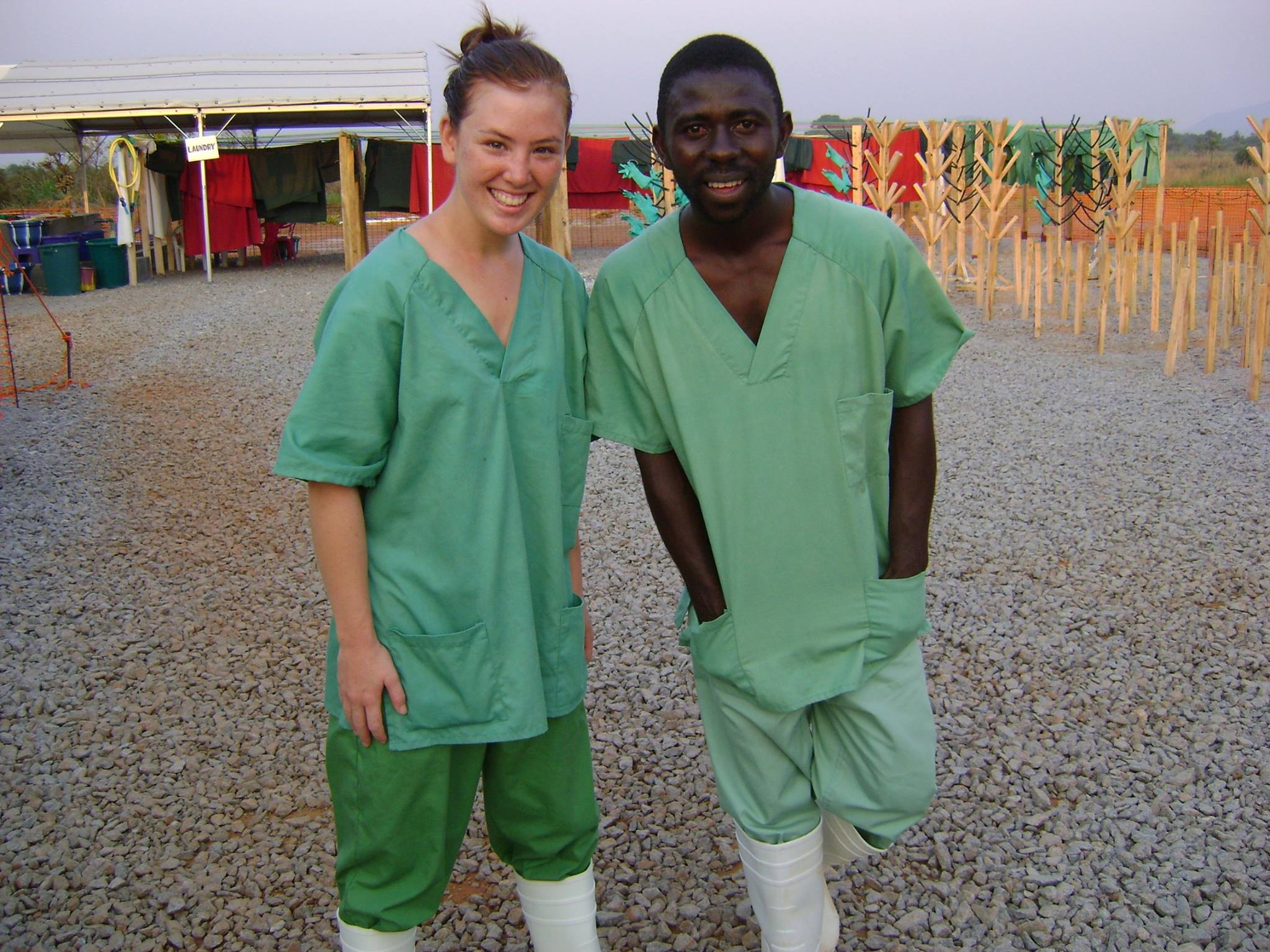
There isn't a typical path that environmental engineers follow. Routes I've explored? One is in the development sector in consulting: you're working with international donors, and a lot of international donors require an environmental component to any project. You can be the environmental expert on a broad range of infrastructure or non-infrastructure projects. Then there's more of the typical emergency-response route, and there you're focusing on smaller-scale technology for water and sanitation.
I think that a common mistake that I see in my age group and my sector is that people don't value balance enough, and it's very much career, career, career. They realize maybe 15 or 20 years down the line that they should have spent more time building and maintaining relationships. Don't forget that there's a lot of benefit to long-term friendships, and keeping in touch takes effort, but it's worth it.
Advice my dad has given me—and he's worked with the United Nations before—and he says 'You'll gain a lot more by entering [the UN] at a higher level, than entering it at a lower level and trying to work your way up.'
Even if you've already graduated or worked, it's never too late to get international experience. There are many NGOs that would welcome people to come and share experiences. You may not get paid, but there are definitely ways to travel and start that process. It doesn't even have to be in your field. You could just have three weeks in Tanzania working on conservation, even if that's not directly related to your field.